myrmecophobia (mərmə̇kō fōbia)

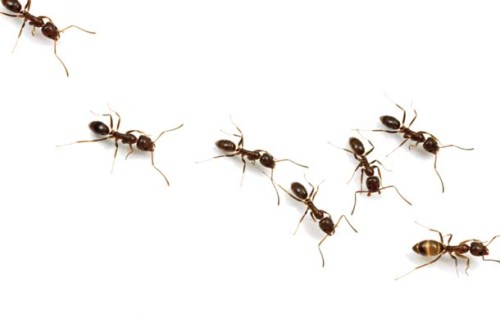
Myrmecophobia is the abnormal fear of ants. Image from baynature.org

Let’s explore another phobia this week! My friend Caroline commented that she is afraid of ants. The fear of ants is called myrmecophobia.

Myrmecophobia comes from the Greek root myrmeco– meaning ant and the suffixphobia meaning abnormal fear of. It literally means “abnormal fear of ants.”

Do you have a phobia? If you do, be sure to leave me a comment!

acrophobia (a-krə-ˈfō-bē-ə)

I had to overcome my acrophobia to ride this Ferris Wheel in Chicago's Navy Pier.

To continue our Halloween theme, let’s explore another phobia this week. I have an extreme fear of heights, also known as acrophobia. I feel dizzy and sick when I am in a tall building looking out the window, or when I am in a car driving on a bridge. Acrophobia comes from the Greek root acro- meaning top most, tip and the suffix -phobia meaning abnormal fear of. Acrophobia is an “abnormal fear of heights.”

triskaidekaphobia (tri skī dekəˈfōbēə)

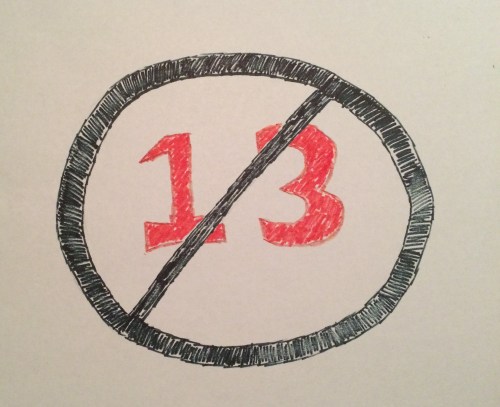
Triskaidekaphobia is the fear of the number thirteen

Happy October! Since Halloween is coming up at the end of the month, I thought it would be interesting to explore different phobias, or fears people may have. Have you ever noticed that some buildings don’t have a thirteenth floor? That’s because many people consider the number thirteen unlucky. The fear of the number thirteen is called triskaidekaphobia.

Triskaidekaphobia comes from the Greek roots tris– meaning three, deka-, meaning ten, and the suffix –phobia meaning abnormal fear of. Kai is the Greek word for “and.” The word literally means “abnormal fear of ten and three.”

Are you a triskaidekaphobe? What are you afraid of? Let me know and I will try to explore words based on your fears.

pachyderm (pakə̇ˌdərm)

When I visited India last year, I was lucky enough to watch a religious procession led by two majestic elephants go past my house*. Elephants, rhinoceroses, and hippopotamuses are often described as pachyderms, referring to their thick skin. Pachyderm contains the Greek roots pachy– meaning thick and –derm meaning skin. My favorite pachyderm is the elephant.

There used to be 350 species of elephants, but today there are only two kinds of elephants left, the Asian elephant and the African elephant. The African elephants are the larger of the two types. Asian elephants typically have small ears and rarely have tusks.

Female elephants live in herds and the oldest female is the matriarch. She leads and guides the herd to food and water. When males become adults, they get kicked out of the herd by the matriarch and either wander about by themselves or join a small group of other males.

Elephants are endangered meaning that they are at risk of dying out. Elephants suffer from habitat loss and ivory poaching. Sadly, people are still poaching elephants for their beautiful ivory tusks, even though it is illegal. Elephants are considered a keystone species which means that they are particularly important to the environment. They make trees fall and then eat them, giving smaller plants a chance to grow. These smaller plants provide food for other animals. If elephants became extinct, that would be a shame because they are such beautiful, intelligent creatures.

I hope you enjoy the pictures in this post; my parents took them during a trip to Zambia and Botswana a few years ago.

*Even though I enjoyed the procession in India, I think that elephants should be allowed to roam wild and be free from human control.

Metamorphosis (metə-morfəsə̇s)

My sister recently received caterpillars for her sixth birthday. The hungry caterpillars arrived in a jar with food, and we were able to observe them as they went through the different stages of their life cycle. A week after they arrived, the caterpillars became chrysalides, and underwent metamorphosis. Ten days later, they emerged as beautiful Painted Lady butterflies. We were in awe as we watched this amazing process occur before our eyes. Metamorphosis contains the Greek roots meta- meaning change and -morph meaning form. The suffix -osis means a process or condition. The roots and the suffix tell us that metamorphosis means “the process of changing form.” Animals that undergo metamorphosis are butterflies, moths, and frogs.

cephalopod (se-fə-lə-päd)

When we were in California, we visited the world-famous Monterey Bay Aquarium. Their special exhibit was Tentacles: The Astounding World of Octopuses, Squids and Cuttlefishes. The exhibit was all about cephalopods. You may ask yourself, what are cephalopods? Cephalopods are a group of marine molluscs that are related to snails and slugs. Octopuses, squids, cuttlefish, and nautili belong in this group. Cephalopods are equipped with breath-taking abilities that allow them to escape predators and, thus, survive. Octopuses in particular are notorious for their ability to disguise themselves; they can change their color and texture up to 20 times in 1 minute! Cephalopod comes from the Greek roots cephalo- meaning head and –pod meaning foot. Cephalopod literally means “head foot.” I think that the name “head foot” is appropriate since cephalopods look like their feet are attached to their head.

cetacea (si-ˈtā-shə)

During a recent trip to Monterey, California, I went on a whale watching excursion with my family. Before the boat even started moving, we saw seals sunning themselves nearby and cute sea otters swimming in the water. The Monterey Bay is a great place for whale watching because whales and dolphins can be seen year round. Dolphins and whales belong to a group of marine mammals called Cetacea. Cetacea contains the Greek root ceta– meaning whale. On our tour, we saw a megapod of long-beaked common dolphins skipping over the water agilely. It was amazing to see how swiftly they could swim! In the distance were immense humpback whales slapping the water forcefully with their tail fins. I was quite excited when I saw the whales breaching the water, creating large splashes. I hope you enjoy the pictures that we took during the whale watching trip!

I just got back from an exciting, week-long adventure in northern California with my family. We spent three days in Monterey and went whale watching, visited the Monterey Bay Aquarium and hunted eagerly for sea glass on the beach. During the last part of our trip, we drove to San Francisco. We walked across the Golden Gate Bridge, went to Chinatown, and saw Lombard Street, the “crookedest street” in the world. We ventured down to Ghirardelli Square, my favorite spot in all of San Francisco and enjoyed sundaes at one of the three Ghirardelli shops. One of those shops is the original chocolate shop opened by Domenico Ghirardelli in 1852. I loved the experience and I hope to go back to California soon. During my trip, I came across some interesting words that I can’t wait to write about! My next post will be coming up later this week.

ornithology (ornəˈthäləjē)

The bird feeder is unusually quiet. We often see chirping birds during the day.

Ever since my dad placed a bird feeder outside of our dining room window, we have seen many different songbirds.  Every evening during dinner, we are entertained by cardinals, Carolina chickadees, titmouses, house finches, bluejays, and several kinds of sparrows. My favorite birds to watch are cardinals because they are so colorful. Ornithology is the study of birds.  It comes from the Greek roots, ornitho- meaning bird and –logy meaning study of. Do any of you have a bird feeder? If you do, what is your favorite bird to watch?