-
 Continue reading →: funambulist (fyu̇-ˈnam-byə-list)
A funambulist is a tightrope walker. Funambulist contains the Latin roots fun– meaning rope and ambul– meaning walk. This word literally means “rope walker!” One of the most famous funambulists is Jean-Francois Gravelet, known as “The Great Blondin”. In 1859, he crossed the Niagara River on an 1100 foot rope.…
-
Continue reading →: hieroglyph (hī(ə)rəˌglif )
My favorite place to go in Chicago is the Field Museum. During a recent visit, I found the Inside Ancient Egypt exhibit most interesting. The exhibit includes an ancient, limestone tomb which our tour guide told us was Unis-Ankh’s real tomb. Unis-Ankh was the son of King Unis, the last…
-
 Continue reading →: psittacine (sitəˌsīn)
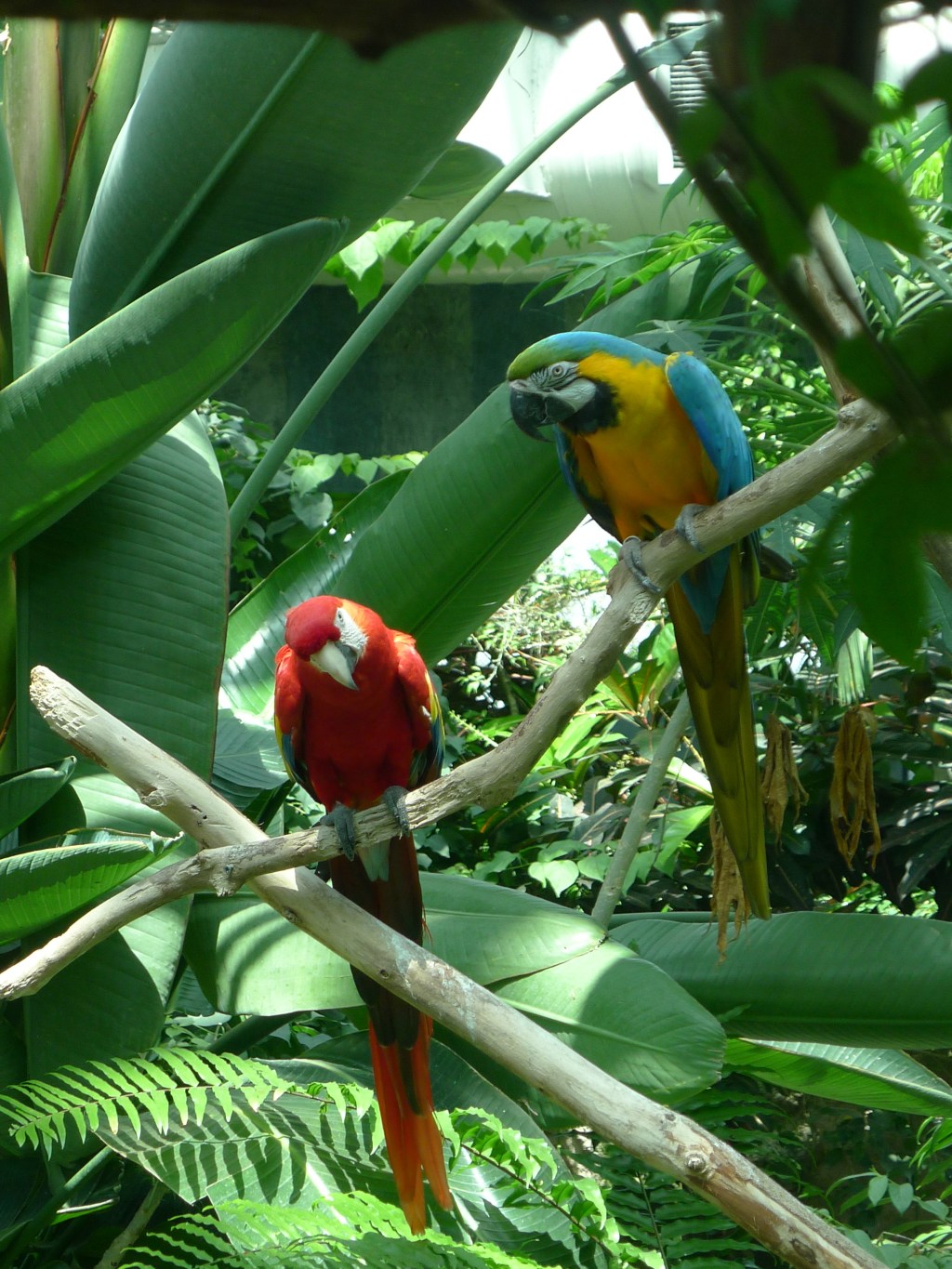
A psittacine is any bird of the parrot family. Psittacine comes from the Greek root psitt, meaning parrot and includes the suffix ending “ine” which means “of or related to”. Psittacine technically means, of or relating to parrots. I chose this word because it has an unusual root that doesn’t show…
-
Continue reading →: Did our ancestors really speak like this?
A lot of linguists believe that Proto-Indo-European was the ursprache* of Indo-European languages, but we actually don’t know what Proto-Indo-European sounded like. In the link below, a linguist at the University of Kentucky, Dr. Andrew Byrd, gives his best approximation of what our ancestors may have spoken thousands of years ago.…
-
Continue reading →: Lepidoptera (le-pə-ˈdäp-tə-rə)
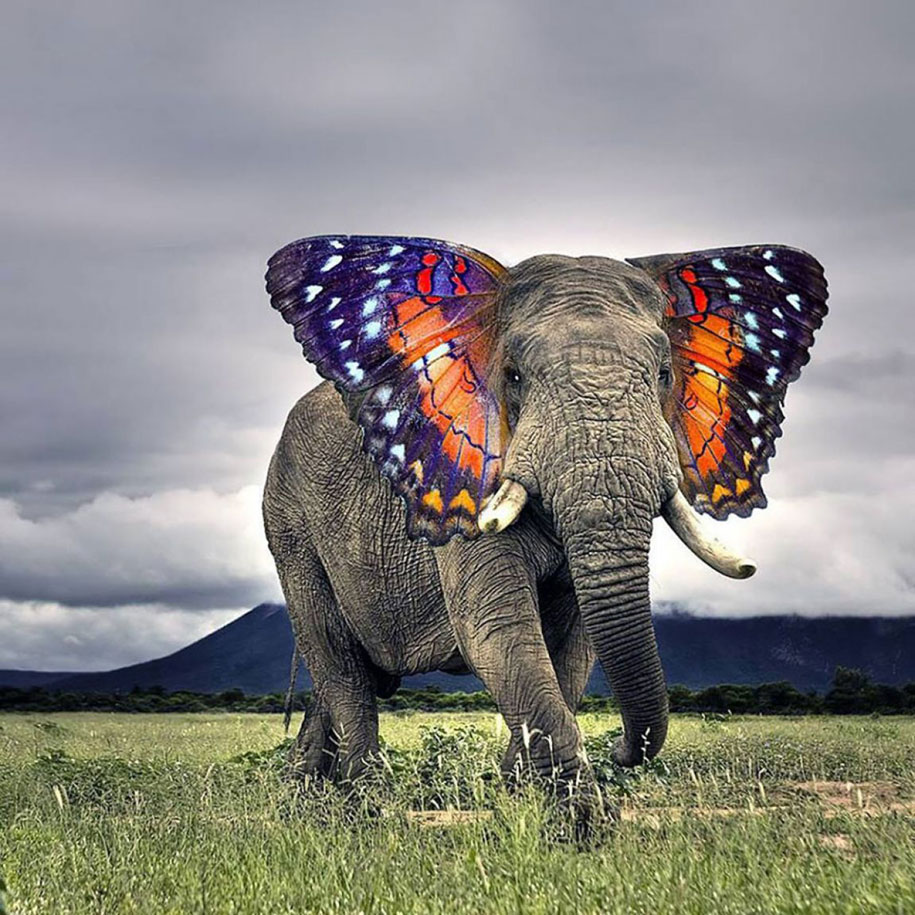
We planted a small butterfly garden many years ago and it is starting to bloom again. The garden attracts many beautiful butterflies such as Monarchs, Swallowtails, Viceroys, and Fritillaries. Butterflies and moths belong to a large group of insects called Lepidoptera. Lepidoptera comes from the Greek roots lepid, meaning…
-
 Continue reading →: toxophilite (täk säfə līt)
Yesterday was my first official day of summer vacation! I went to the archery range with my dad and we shot arrows together; it was fun! I am a true toxophilite. What is a toxophilite, you ask? A toxophilite is a lover of archery. Toxophilite is made up of two…
-
Continue reading →: Insider’s Guide to the 2014 Scripps National Spelling Bee – Finals!
It turns out there were co-champions this year! Sriram Hathwar and Ansun Sujoe went back and forth, spelling words like “nocifensor”, “paixtle”, “sdrucciola” and “gemeinschaft.” They exhausted all of the 25 words in the championship rounds. In Round 22, Sriram spelled “stichomythia” and Ansun correctly spelled “feuilleton” and were declared…
-
 Continue reading →: Insider’s Guide to the 2014 Scripps National Spelling Bee – Semifinals
The National Spelling Bee Semifinals were amazing! All of the spellers at the Bee are encouraging and supportive of one another. When Syamantak Payra, an 8th grader from Texas, missed the word “circumforaneous” and was eliminated, the other spellers and the audience gave him a standing ovation because he was…
-
 Continue reading →: Insider’s Guide to the 2014 Scripps National Spelling Bee – Preliminaries
The 2014 Scripps National Spelling Bee has finally arrived!! Today spellers had to endure two rounds on stage in front of bright lights, a big crowd, cameras and reporters. Spellers have two minutes to spell their words. On stage, the spellers see a stoplight that changes colors depending on how…
-
 Continue reading →: ursprache (u̇ər shpräḵə)
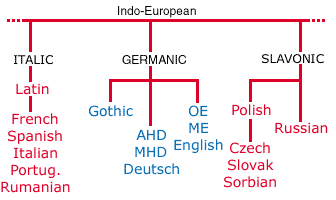
Katharine Close spelled the word ursprache to win the 2006 National Spelling Bee. Ursprache means a parent language, especially one reconstructed from the evidence of later languages. Ursprache comes from the German roots ur meaning original and sprache meaning language. Proto–Indo-European is the ursprache, or the parent language of Indo-European…
Hello,
I’m Tara!

My name is Tara and I am a recent graduate of Duke University, with dual degrees in cultural anthropology and political science, and a minor in linguistics. Twelve years ago, I started this blog to share my love of words with others and teach people about the intricacies of etymology and words across our beloved English language!
Join the linguaphiles!
Stay updated with the latest on language.