-
 Continue reading →: euonym (yüənim)
Hello! Our championship word for this week is euonym, which means an appropriate name for a person or thing. Euonym comes from the Greek roots eu-, meaning good, and -onym meaning name. Euonym simply means “good name.” Rebecca Sealfon, from New York, shouted each letter of this word ecstatically to win…
-
 Continue reading →: hydrophyte (hī-drə-fīt)
Hi again! To continue our theme of past championship words, let’s explore the word hydrophyte. This word was spelled by Julie Ann Junkin from Birmingham, Alabama to win the 1974 Scripps National Spelling Bee. A hydrophyte is a plant that grows in water. Hydrophyte comes from the Greek roots hydro,…
-
Continue reading →: logorrhea (lȯgə-rēə)
Hi everyone! Our first championship word is logorrhea, which means excessive talkativeness. The word comes from the Greek root logo, meaning word, and the Greek suffix rrhea, meaning flow. So, in a literal sense it means “word flow” or you may say “flow of words.” Nupur Lala, from Tampa, Florida…
-
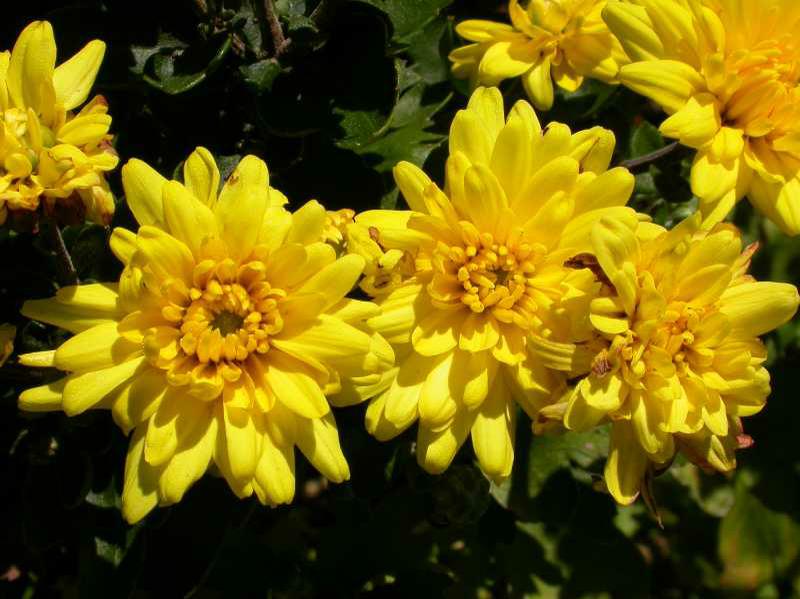 Continue reading →: Chrysanthemum (kri-sant-thə-məm)
I am sorry that I have kept you waiting for another post. This week we shall continue our theme of flower roots by looking at the word chrysanthemum. Chrysanthemums are fall-blooming flowers and can be multiple colors. Common names for chrysanthemums are chrysanths or mums. Chrysanthemum comes from the Greek…
-
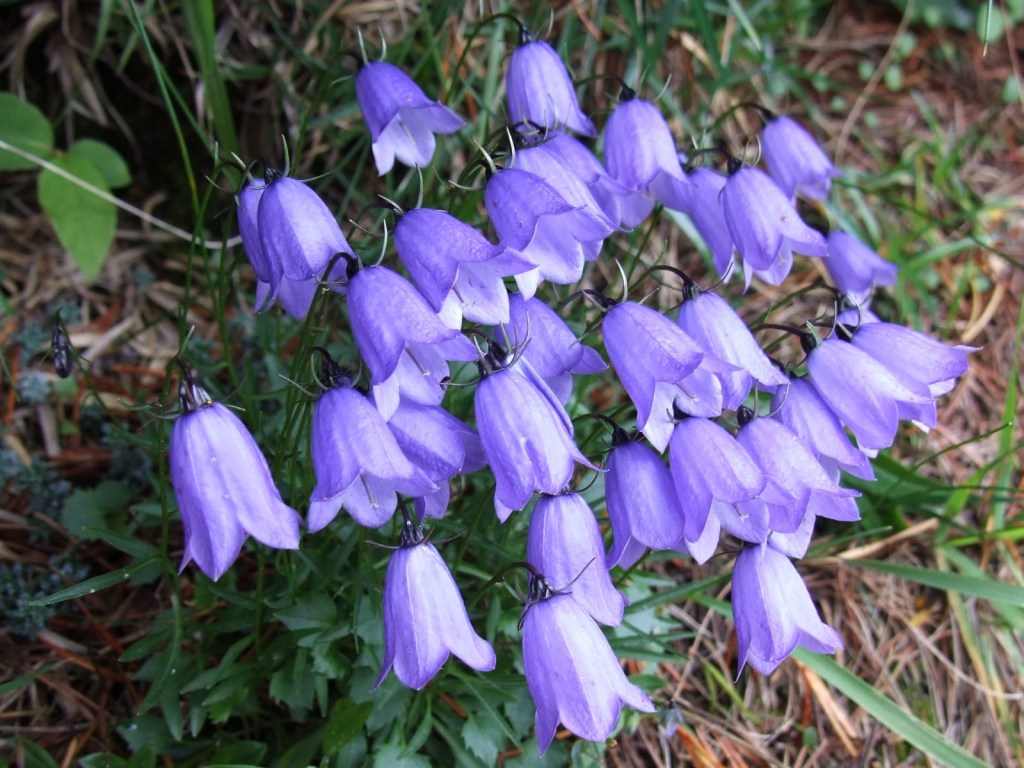 Continue reading →: campanula (kam-pan-yə-lə)
This week we will be exploring the word campanula, commonly known as the bellflower. Varieties of this plant include biennials, annuals and perennials. For those of you who may not know, a biennial plant is a plant that grows leaves, roots, and stems in its first year of development and…
-
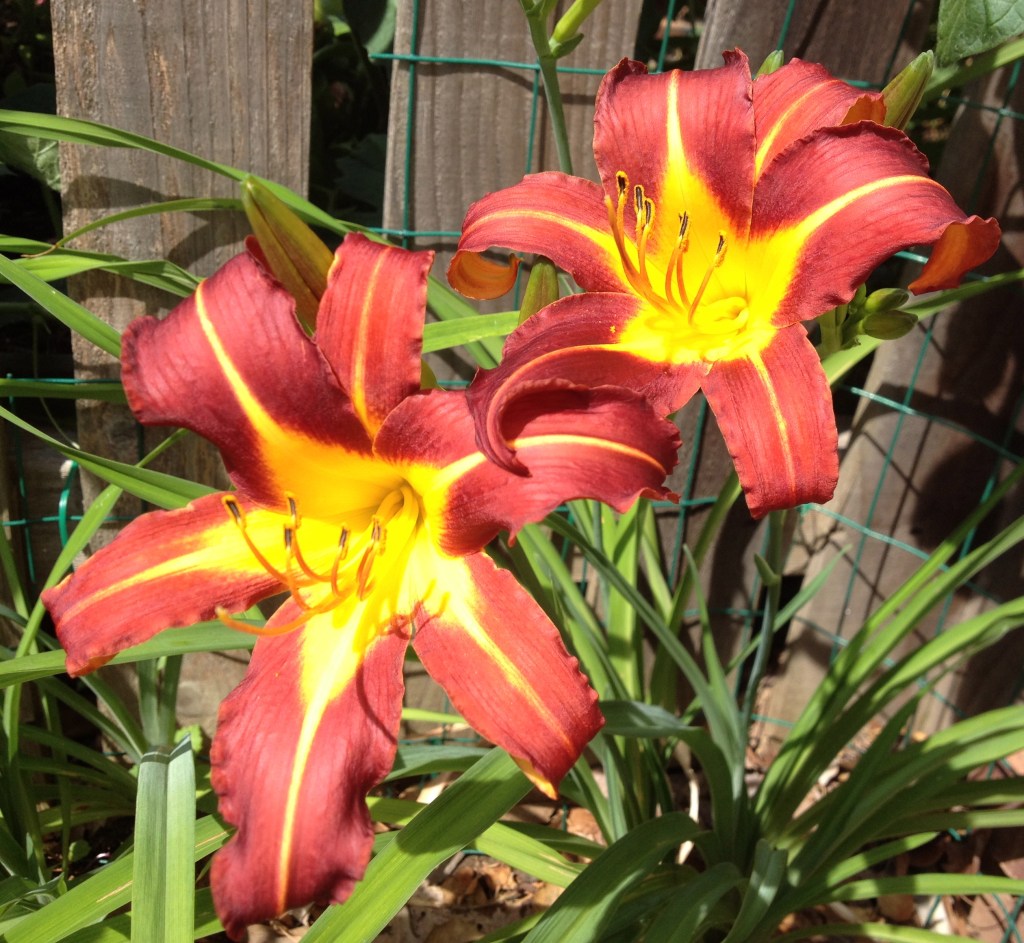 Continue reading →: hemerocallis (hemər-ō-kalə̇s)
This week we shall explore the roots of another flower. The hemerocallis, better known as the daylily, is a perennial that comes in many different colors. These flowers are very pretty and some are fragrant. The word hemerocallis contains the Greek roots hemer, meaning day, and calli meaning beautiful. Greek…
-
 Continue reading →: aquilegia (a-kwə-lē-jē-ə)
Spring is in the air and I decided to get to the roots of different flowers (yes, I know that’s a bad joke). Let’s explore the word aquilegia, also known as columbine. These beautiful flowers have delicate petals and have a star shape with yellow centers. Some have long spurs…
-
Continue reading →: stygian (stijēən)
The National Mythology Exam is over, but here is one last word on the subject. The word stygian is an adjective that means dark or gloomy. It is related to the River Styx, the main river of the Underworld, ruled by Hades. Spirits must cross this river in order to…
-
Continue reading →: sisyphean (sisəfēən)
To continue my theme of words that come from Greek mythology, I decided to write about the word sisyphean, an adjective that describes a task that can never be completed. Sisyphus was a Corinthian king who fooled the gods many times with his wit. For example, when Zeus ordered Hades…
-
Continue reading →: lethean (lēthēən)
The National Mythology Exam is coming up, and I decided that I would explore words that come from Greek mythology. My first word is lethean, an adjective, which means forgetfulness. The River Lethe (lee-thee) is one of the five rivers of the Underworld. It is the river of forgetfulness and…
Hello,
I’m Tara!

My name is Tara and I am a recent graduate of Duke University, with dual degrees in cultural anthropology and political science, and a minor in linguistics. Twelve years ago, I started this blog to share my love of words with others and teach people about the intricacies of etymology and words across our beloved English language!
Join the linguaphiles!
Stay updated with the latest on language.