
Happy New Year!
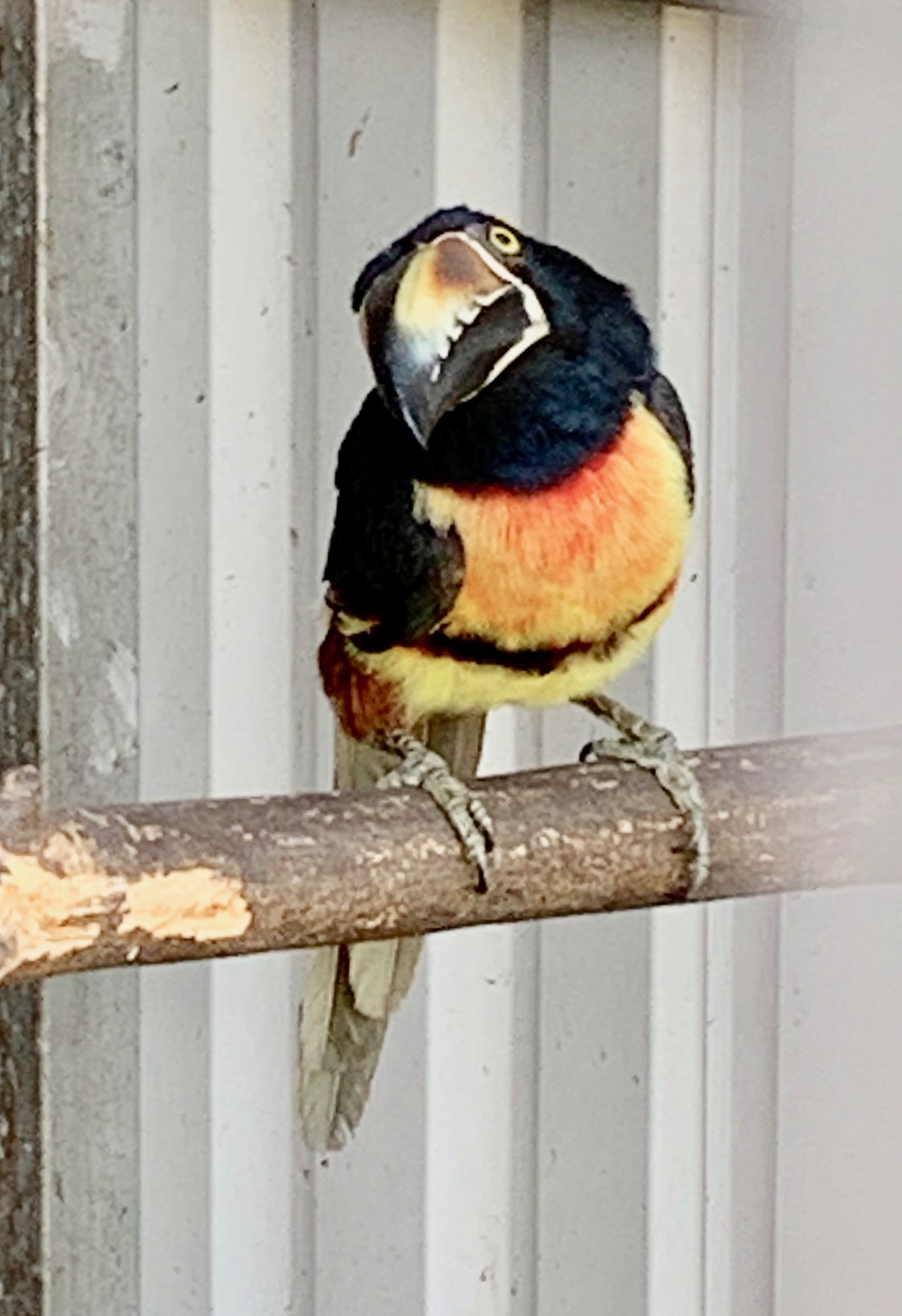
I thought a new Name That Animal Challenge would be a great way to kick off 2021.
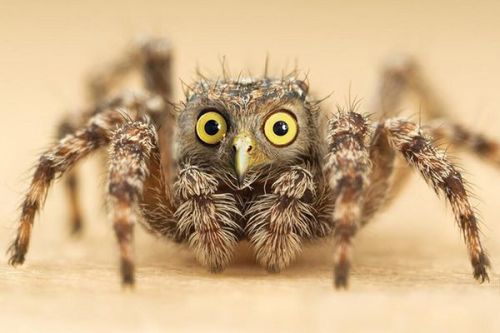
Pretend that you are a scientist and you have just discovered a new species of animal and you have the privilege of naming it. Scientists usually name new species by using Greek or/and Latin roots because the prefixes, stems, and suffixes are like building blocks that can be utilized in countless ways.
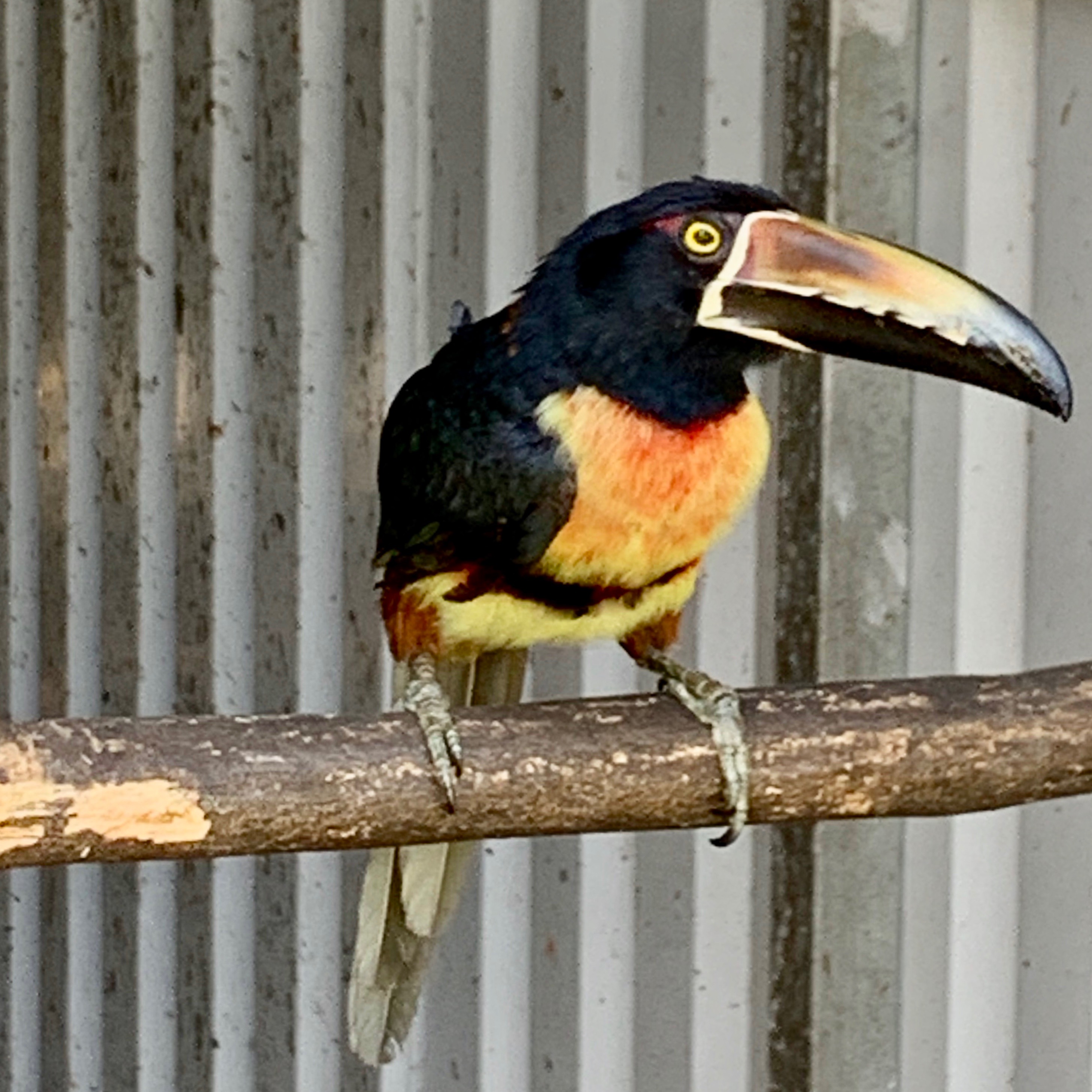
Your challenge is to name the animal in the picture above using your knowledge of Greek and Latin roots. You can use characteristics like size, color, or shape in your name. Feel free to search my blog to find root words to help you!
For now, I’ve provided you a list of roots with their definitions to get you started. Greek roots usually link with -o-, and Latin roots usually link with -i- . What would you name this animal? Be sure to comment and let me know!
Greek Roots
| Root Meaning |
|---|
| -morph- shape |
| -cephal- head |
| -pach- thick |
| -pter- wing |
| micr- small |
| mega- large |
| -poli- gray |
| lepid- scale |
Latin Roots
| Root Meaning |
|---|
| -iform shape |
| -corp- body |
| -capit- head |
| ali- wing |
| -min- small |
| -magn- large |
| -chrom-& color |
Be sure to check out Name That Animal Challenge #1, Name That Animal Challenge #2, Name That Animal Challenge #3, Name That Animal Challenge #4, Name That Animal Challenge #5, Name That Animal Challenge #6, Name That Animal Challenge #7, Name That Animal Challenge #8, Name That Animal Challenge #9, and Name That Animal Challenge #10!







 The English language is full of homonyms, or more specifically homographs, homophones, heterographs, and heteronyms. This is enough to make your head spin! Such words serve to make English one of the most difficult languages to learn. They are the bane of my existence, and probably yours too.
 the word explorer