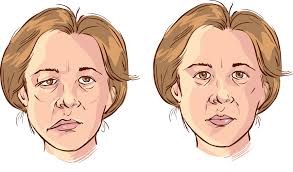
I apologize for the lengthy delay between posts. I have been very busy studying for the 2016 Scripps National Spelling Bee (more on that later)! To continue our medical theme, let’s explore the word myasthenia, which is a disease that causes muscle weakness in multiple organs.
Myasthenia, commonly known as myasthenia gravis, occurs when the body makes antibodies to nerve receptors, preventing them from telling muscles to contract correctly. Symptoms get worse with repetitive activity and improve with rest.
This disease affects many parts of the body. For example, in the eye, it causes ptosis (drooping of the eyelid) and diplopia (double vision). It can cause weakness in the jaw muscles, resulting in dysphagia (trouble swallowing). The voice can be affected with dysarthria (difficulty speaking). Rarely, myasthenia can affect the diaphragm muscle and result in breathing paralysis.
Myasthenia comes from the Greek roots myo-, meaning muscle, and -asthenia, meaning weakness. Myasthenia literally means “muscle weakness,” which aptly describes this affliction.









Leave a Reply